 en
en  CN
CN ES
ES PT
PT SV
SV DE
DE TR
TR FR
FR PL
PL RO
RO RU
RU IW
IW ID
ID LV
LV LT
LT SR
SR SK
SK SL
SL UK
UK VI
VI SQ
SQ ET
ET GL
GL HU
HU MT
MT
The Challenge: The Clinical Dilemma on Zirconia Veneer
Zirconia has revolutionized dental restorations with its exceptional translucency, superior strength, and excellent biocompatibility. Yet, behind this material excellence lies an inherent flaw that has troubled clinicians for years: the "Adhesion Gap" of Zirconia.
Due to its chemical inertness and low surface energy, zirconia is fundamentally unable to form a strong and durable chemical bond with resin cements. This creates a critical vulnerability, especially for ultra-thin veneers where reliable adhesion is paramount.
Conventional Approach: A Bonding Roulette
The traditional solution has been to rely on sandblasting combined with universal adhesives (such as those containing 10-MDP). However, this method is essentially a game of chance. While initial bond strength may appear acceptable, hydrolytic aging over time leads to degradation and potential failure. The result? Unpredictable long-term outcomes that leave clinicians with nagging anxiety after placing ultra-thin veneers.
This anxiety is well-founded. A debonding event means complete rework, soaring costs, and significant loss of patient trust. We must ask ourselves: "Are we satisfied with an 'uncertain' bond?"
The Innovation: A Shift from "Inert" to "Adherent"
The solution to this clinical dilemma is revolutionary: The Veneer Bonding System, which combines Lumina Zirconia with an exclusive Adhesion Promoter.
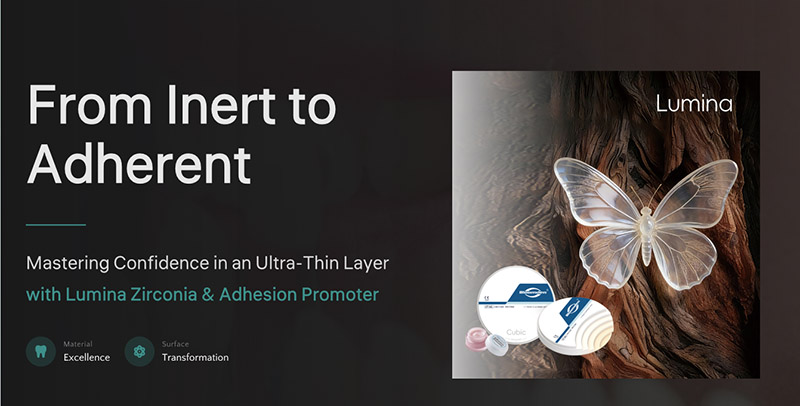
Lumina Zirconia is a high-translucency zirconia specifically developed for aesthetic veneers, providing the physical carrier and aesthetic foundation for an "ultra-thin layer." The breakthrough, however, comes from the Adhesion Promoter—an exclusive surface treatment agent that achieves "interface transformation" through sintering, creating a new active surface for bonding.
The Science: Transforming ZrO₂ to a Glass-Ceramic Interface
This transformation occurs through a precise three-step process:
● Coating: The adhesion promoter is evenly applied to the zirconia bonding surface. This specialized formulation contains the precise building blocks necessary for transformation.
● Sintering: At controlled temperatures (450°C→920°C), the promoter reacts with the zirconia's surface layer. This triggers the in-situ growth of an ultra-thin (≤10μm), dense lithium disilicate (Li₂Si₂O₅) glass-ceramic coating.
● Result: The chemical nature of the bonding surface is fundamentally altered—from "inert zirconia (ZrO₂)" to "active glass-ceramic."
This process represents not merely "applying a coating," but a true "surface rebirth." The glass-ceramic layer becomes an integral part of the zirconia surface, ensuring 100% integration, minimal thickness (≤10μm), and a perfectly stable interface.
The Evidence: From Theory to Tangible Results
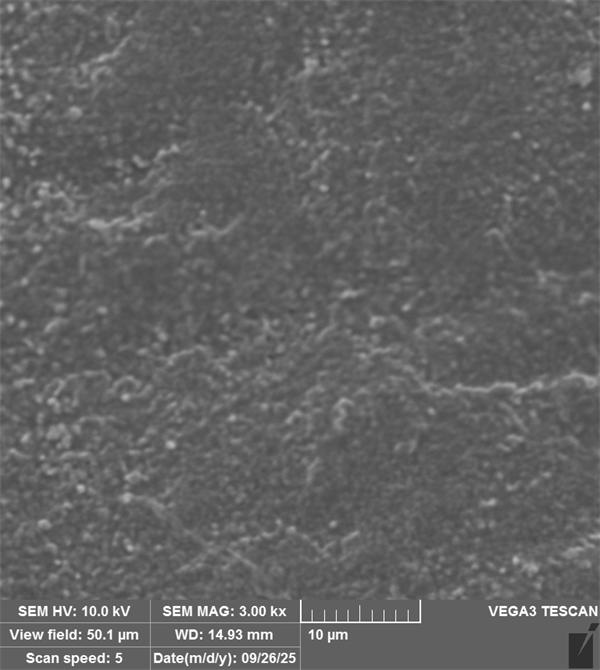
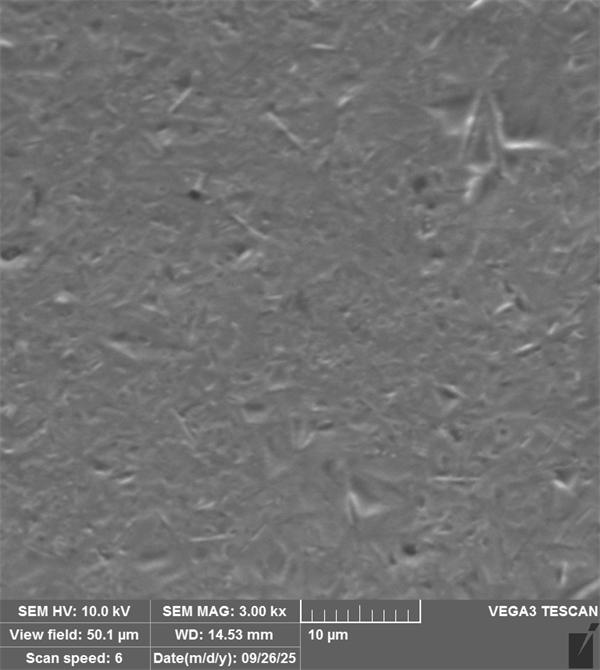
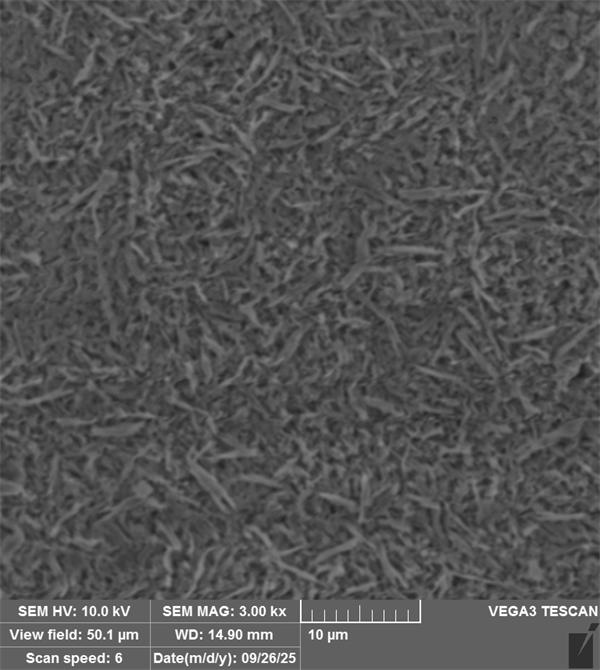
Scanning Electron Microscopy (SEM) images vividly illustrate this transformation:
The original, smooth surface of zirconia.
The transformed surface after applying the Adhesion Promoter and sintering, showing a new, integrable layer.
The same treated surface after acid etching, revealing a micro-retentive, etch-able topography ideal for bonding—a characteristic previously exclusive to glass ceramics.
Foundation Technology: Lumina Zirconia
This adhesive breakthrough is built upon the solid foundation of Lumina Zirconia, engineered specifically as the ideal substrate for ultra-thin veneers:
Biomimetic Aesthetics: Features multi-layered color and high translucency design that simulates natural tooth enamel for truly lifelike results.
Ultra-Thin Strength: Possesses exceptional mechanical properties that allow for extremely thin designs as minimal as 0.3mm, perfectly meeting modern minimally invasive requirements.
Outstanding Opacity: Delivers unmatched opacity to consistently and effectively mask dark or metal substructures—a clear and practical advantage over more translucent glass ceramics.
The Workflow: Simplified and Predictable
Conclusion: Redefining What's Possible
Lumina Zirconia combined with the Adhesion Promoter represents a paradigm shift in aesthetic dentistry. It moves us decisively:From inert to adherent.
Bloomden Bioceramics(Hunan) Co., Ltd. (hereinafter referred to as Bloomden) is located in Changsha, Hunan.