 en
en  CN
CN ES
ES PT
PT SV
SV DE
DE TR
TR FR
FR PL
PL RO
RO RU
RU IW
IW ID
ID LV
LV LT
LT SR
SR SK
SK SL
SL UK
UK VI
VI SQ
SQ ET
ET GL
GL HU
HU MT
MT
Edentulous restoration is one of the most demanding areas in digital dentistry. Compared with single crowns or simple bridges, full-arch cases require higher accuracy, stronger materials, better workflow control, and close communication between clinic and laboratory. From data acquisition to final delivery, every step can influence the final fit, function, and aesthetics of the restoration.
The Lumix Full-Process Edentulous Restoration Solution is designed to support this complex process with a complete digital workflow.
The first challenge in edentulous cases is accurate data acquisition. When natural teeth are missing, there are fewer reference points for scanning. Soft tissue, mucosal movement, implant position, and full-arch accuracy all need to be carefully controlled. A stable digital acquisition process helps reduce errors at the beginning of the case. With intraoral scanning and scanbody-assisted data capture, clinicians and technicians can obtain more reliable digital information for planning and production.
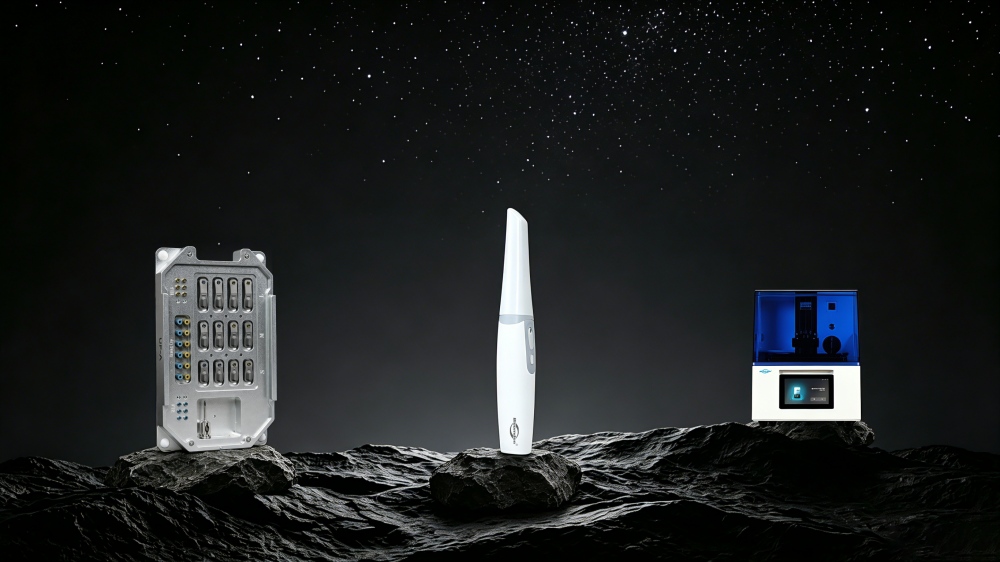
After scanning, the next step is digital design and manufacturing. In full-arch restorations, precision is critical. Even a small deviation may affect passive fit, occlusion, and long-term stability. This is why a complete workflow requires not only good design software but also reliable manufacturing equipment. Milling and printing technologies help transform digital design into accurate physical restorations or working models.
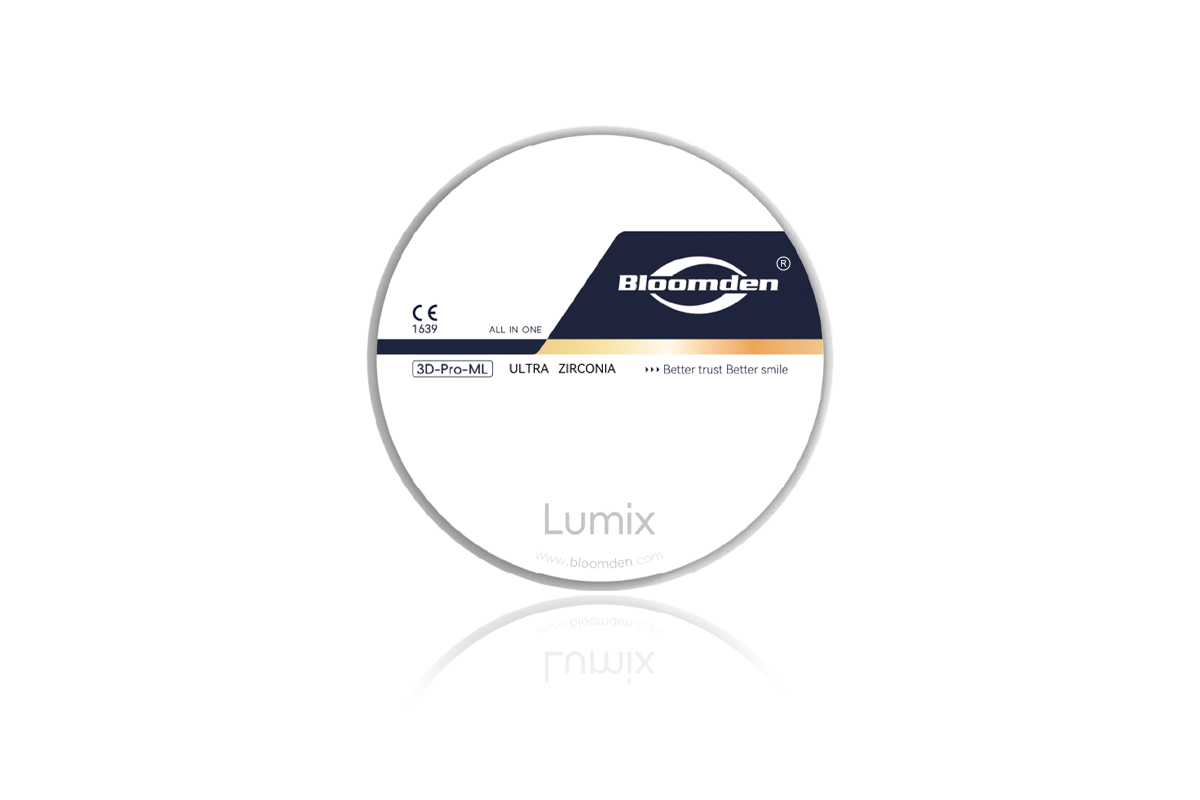
Lumix zirconia plays a key role in the material stage of the solution. Full-arch restorations need excellent strength and long-term reliability. At the same time, patients expect a restoration that looks natural and comfortable. Lumix zirconia is designed to provide a balance between mechanical performance and aesthetic appearance, making it suitable for full-arch and complex restoration cases.
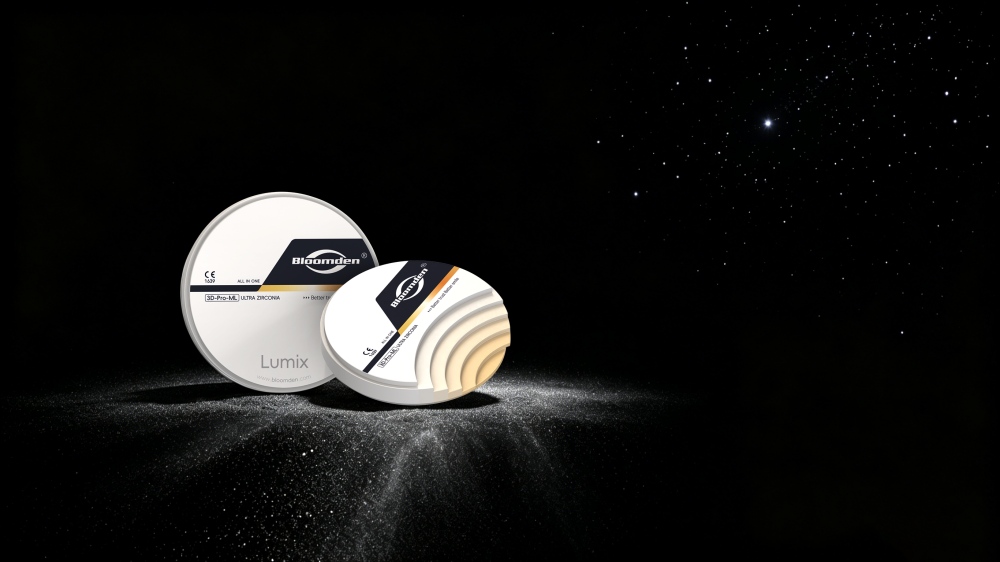
Sintering is another important part of the workflow. Zirconia restorations must go through a controlled sintering process to reach their final strength, fit, and shade performance. A stable sintering furnace helps ensure predictable results and reduces the risk of distortion or color inconsistency. For laboratories handling multiple cases, efficient sintering can also improve production capacity and turnaround time.
After sintering, the restoration enters the aesthetic finishing stage. For full-arch cases, gingival characterization, tooth shade transition, surface texture, and glaze effect all influence the final visual result. With staining and glazing materials, dental technicians can add depth, vitality, and natural detail to the restoration. This stage turns a functional structure into a lifelike smile.
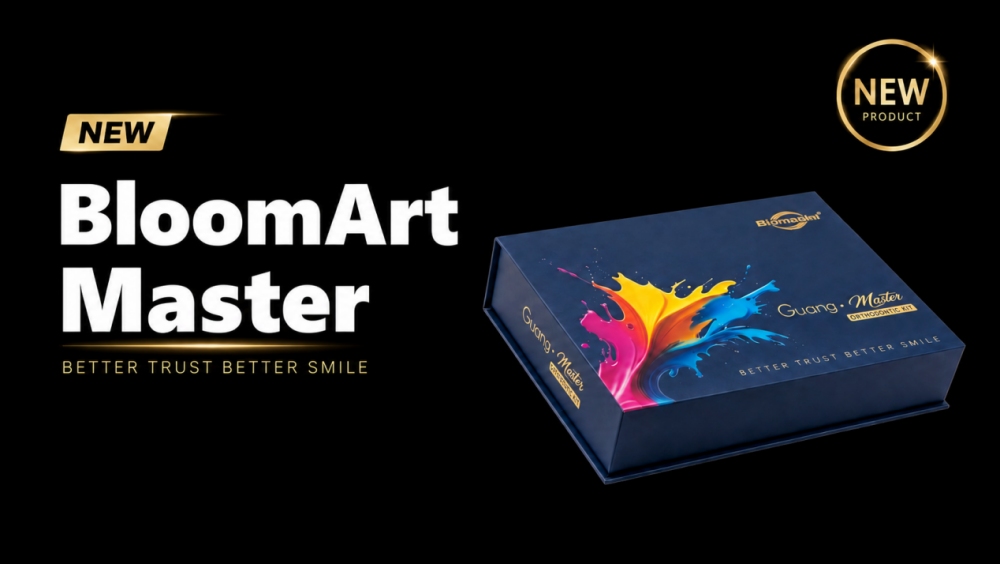
The value of the Lumix Full-Process Edentulous Restoration Solution is not only in one product. It is in the connection between each step. Digital scanning, scanbody data, manufacturing, sintering, zirconia material, and aesthetic finishing all work together. When these steps are integrated, dental teams can manage full-arch cases with more confidence and clarity.
For dental laboratories, this solution helps improve workflow efficiency and reduce uncertainty. For clinicians, it supports better communication with the lab and more predictable case outcomes. For patients, it brings the possibility of a stable, aesthetic, and confident full-arch restoration.
Edentulous restoration is not simply about replacing missing teeth. It is about rebuilding function, appearance, and quality of life. A successful full-arch case requires precision, strength, aesthetics, and trust.
With Lumix, Bloomden provides a full-process solution that supports every stage of edentulous restoration — from digital data to final smile.
Bloomden Bioceramics(Hunan) Co., Ltd. (hereinafter referred to as Bloomden) is located in Changsha, Hunan.