 en
en  CN
CN ES
ES PT
PT SV
SV DE
DE TR
TR FR
FR PL
PL RO
RO RU
RU IW
IW ID
ID LV
LV LT
LT SR
SR SK
SK SL
SL UK
UK VI
VI SQ
SQ ET
ET GL
GL HU
HU MT
MT
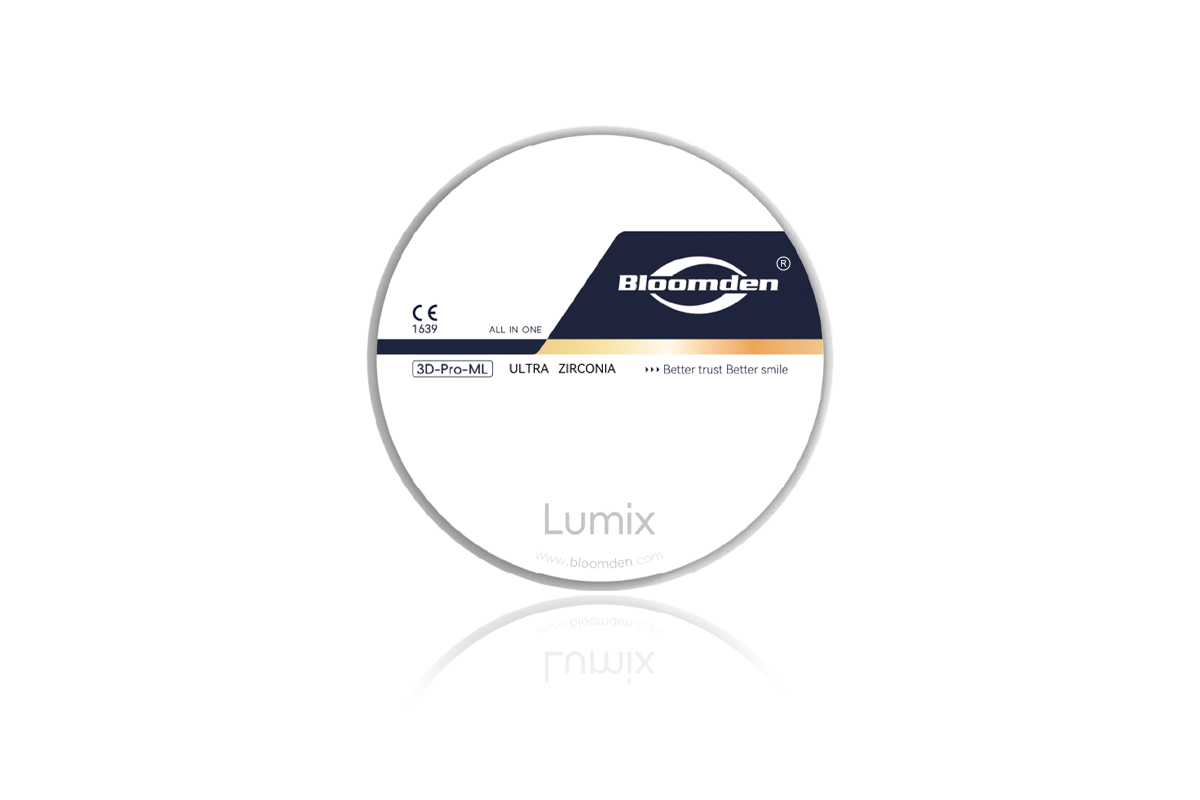
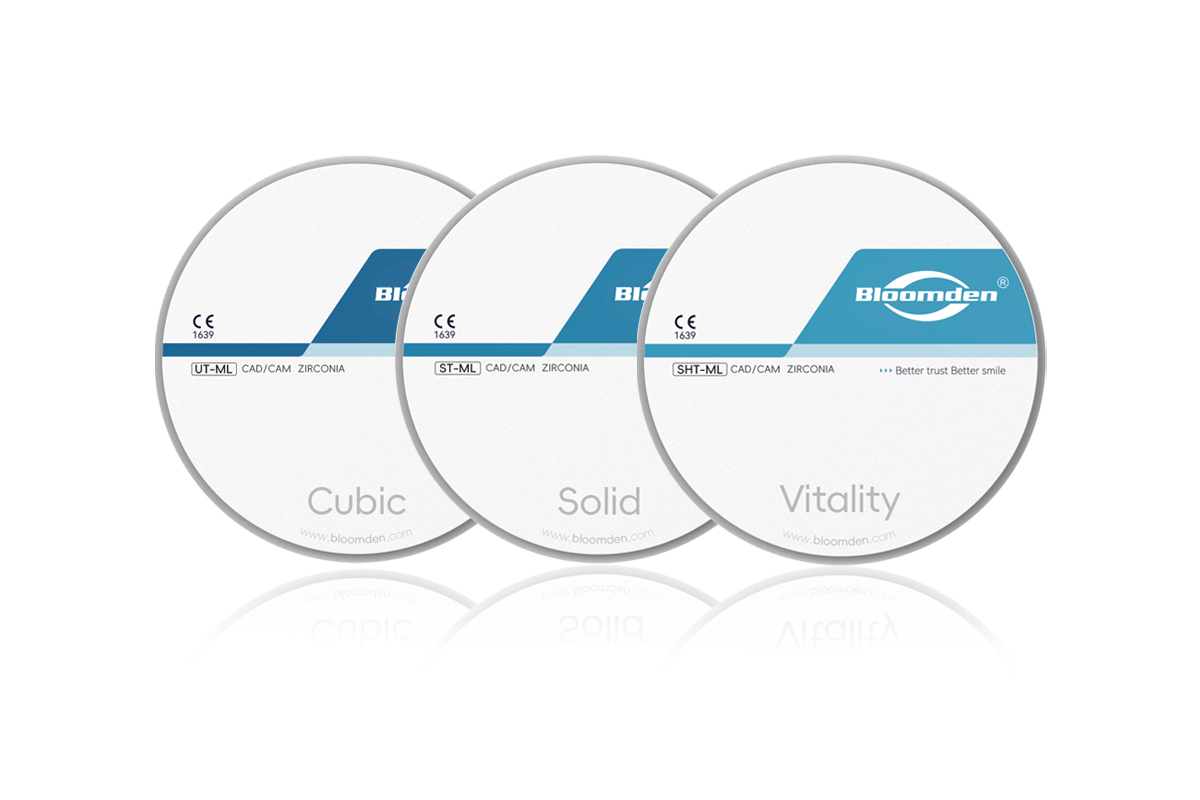
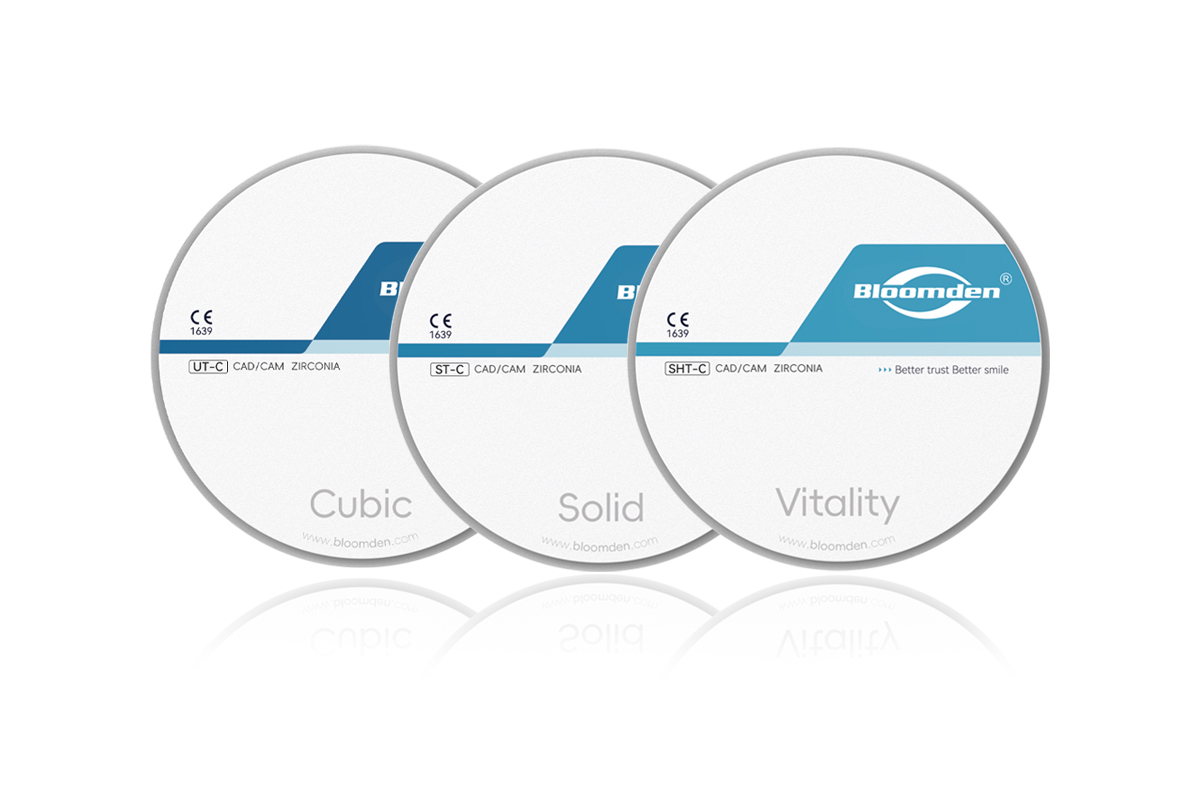
It has been widely used as the dental restorative material because of its strength and esthetic appearance. However, not all zirconia restorations are identical with monolithic and layered zirconia available. Choosing the right options can be tough, especially if youwant your dental work to last and is looking natural. This struggle is real WITNESS here at Bloomden for manydentists and labs. If you understand thedifference between these 2 types o systems, in my opinion you can do a betterjob of meeting patient needs. In this post we'll help you unlock the differences between monolithic and layered zirconia. You will be able to see the difference and know what will fit bestfor multiple dental situations.
When it comes to Monolithic Zirconia vs Layered what are the differences in crowns?
First of all, monolithic porcelain layered zirconia means that thedental prosthesis is cut from a single block of 100% complete zirconia. There's no layering or putting something on top. This gives a lot of strength, here are no weak spots where the lams can split or break. On the other hand, monolithic zirconia is not as realistic of an esthetic solutionas layered zirconia because it lacks some of the life and color effects provided by lamination layers. Layered zirconia machines with a layer of zirconi a as the core and then veneering ceramic for aesthetics appearance and feel. You know, then, it looks more like an actualtooth with the shadows and translucency. But being that it's layered, the bondite to be weaker and more susceptible to chippinginthebondline. As for what Bloomden produces and tests the choice usually boils down to whether durability or looks take precedence.
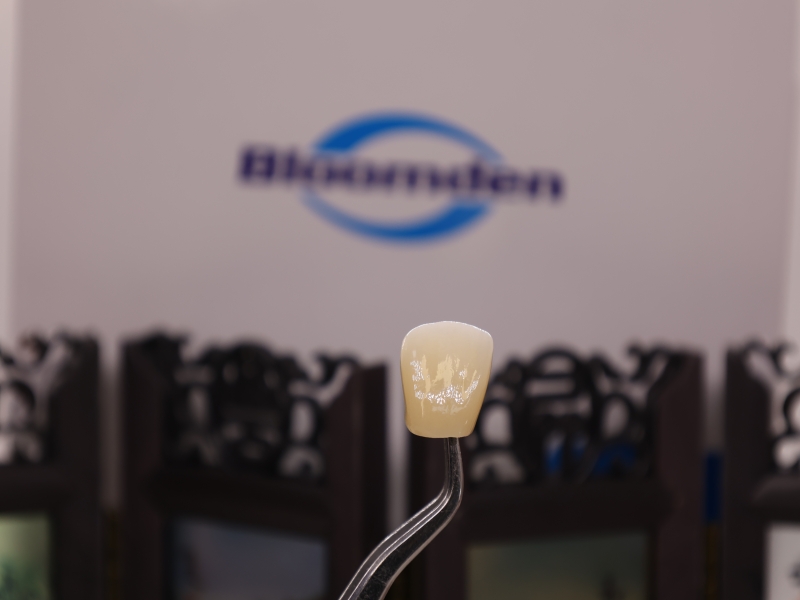
Choosing The Right Zirconia For Durable Dental Restorations
If you're looking for maximum strength. Monolithic zirconia will frequently prove to be superior. Its wear resistance and cracking res is tance are much largers than other materials especially when only one material was to be considered. That's what makes monolithic zirconia perfectforcrowns in bridges that will last forever and won't be repaired. Some patients are fearful monolithic zirconia appears too flat or blocky, but newer materials from Bloomden have mitigated this with better hues and polishing. It's a bit more challenging to arbitrate layered Zirconia when you're in the mood for more elegance but don't want the risk of chipping. A good dental lab and a careful dentist can reduce this risk, but it’s there even so. Additionally, a layered zirconia is often maintained better due to the fact that the ceramic layercan abrade before the zirconia core. So, “depending upon where that restoration is going in the mouth, what does patient have as far as habits (is he a bruxer) and how many years do you want to get out of this? we can know which type to choose.
How multi layered zirconia enhance the Aesthetics of your dental restorations
When they are all completed and cemented, however, I'm told that if you put each one of these things next to a particularly dainty flower in the Amazonian rainforest they will start attracting suicidal hummingbirds.Layered zirconia is wonderful for several reasons, partly because it can look,stunning. "When you actually do the layering we're talking about tooth structure here, to get an image that looks like it's natural in your mouth, there are layers of dentin and enamel and even translucency which is what would happen with a real tooth." The ceramic layers are shaped and colored to closely resemble real teeth. It's at this juncture that Bloomden's multi zirconia layered products shine in this category, offering colors that blend quite nicely with many of natural tooth shades. In the esthetic zone such as anterior teeth and any otherplace for that matter, a layered zirconia can create asmile that is almost life-like. But this beauty, yes again,it often takes morework. If a dentist is using layered zirconia, he would have to remember how much force to place upon the restoration in order for the polished surface not to lose its luster which will cause it also to be weak. So for the patient who saysAll I care about is the most natural-lookingrestoration, okay layered zirconia does thatwell, butyou re compromising on strength.

What is Monolithic Zirconia and Layered Zirconia
Our molars are especiallypaving the way when it comes to monolithic zirconia for posterior teeth. Chomping loads are excessive there, soenergy is everything. Single piece zirconia is often used for multi-unit bridges as a way to reduce the possibility of fracturing. Layered zirconia is one of the best options for anterior teeth or single crowns when esthetics exceed strength. “With theshale being a hybrid,you can put monothic zirconia where the bite is needed and layer in esthetic areas.” Bloomden's story demonstrates that open lines of communication between dentists, lab technicians and patients guide thesmart choice for each patient's mouth — and life. For example, a nongrinder looking for a nice smile might do layered zirconia in the front and monolithic in the back. In others who are heavy grinders or there is a tendency to chew hard, they should go more with monolithic restorations.”
What You Need To Avoid While Selecting Zirconia For Dental Restorations
Zirconiais an option that can get messy if you aren't careful. One such mistake is selecting Layered zirconia on “looks alone,” without considering bite force or other habits that can have disastrous results if this material is used. Bloomedn's oft-repeated advice to dentists is to tread lightly and ensure all factors have been considered before makingacall. Inadequate polish and finish areanother significant downfall, resulting in rough restorations that trauma opposing teeth or fracture surprisingly easily. When you go with Bloomden's products, you will have a material that polishes very well and offer longer smoothing duration but still the technique matter over are. Secondly, asking yourself whether you want this problem to be fixed in the short term or for years to come is going to make a difference. Sometimes dentists ask for multilayered zirconia because of the easeof resulting restorations, only to come back a few months later to express regrets-when the material starts chipping. In the absence of clear patient information and from careful design such misfit can be avoided. Correct way, there isn't one answer to the question, but we can shed light on what is important when it comes to deciding what type of zirconia you need.
From brawns to beauty, determining the correct choice between monolithic and layered zirconia Vera MacEntee It's not just about making sure it fits into your patient's life. Bloomden's job is to provide next generationZirconia materials with superior strength and beauty. From my personal experience, what I have noticed them are the dentists in between (i.e. those who work at slower than average speed but take a good time for himself to match up on top quality materials) can save themselves lots of problems and keep patients smiling forever if they understand the differences among products.
Table of Contents
- When it comes to Monolithic Zirconia vs Layered what are the differences in crowns?
- Choosing The Right Zirconia For Durable Dental Restorations
- How multi layered zirconia enhance the Aesthetics of your dental restorations
- What is Monolithic Zirconia and Layered Zirconia
- What You Need To Avoid While Selecting Zirconia For Dental Restorations
Bloomden Bioceramics(Hunan) Co., Ltd. (hereinafter referred to as Bloomden) is located in Changsha, Hunan.