 en
en  CN
CN ES
ES PT
PT SV
SV DE
DE TR
TR FR
FR PL
PL RO
RO RU
RU IW
IW ID
ID LV
LV LT
LT SR
SR SK
SK SL
SL UK
UK VI
VI SQ
SQ ET
ET GL
GL HU
HU MT
MT
Introduction
In the world of dentistry, the pursuit of lifelike and aesthetically pleasing dental restorations is an ongoing endeavor. Dental glaze paste has emerged as a powerful tool in achieving natural-looking results that mimic the appearance of natural teeth. This article delves into the potential of dental glaze paste, its applications, and its role in elevating the artistry of dental restorations.
Application Process
1.Preparation: Before starting the application, ensure that the dental restoration is clean and free of any contaminants. Clean the restoration using a suitable cleaning agent and rinse it thoroughly. Additionally, ensure that the surrounding area is protected to prevent any accidental damage.
2.Shade Selection: Select the appropriate shade of dental glaze paste that matches the patient's natural teeth. Consider factors such as tooth color, translucency, and any specific characteristics that need to be replicated.
3.Mixing and Consistency: Follow the manufacturer's instructions for mixing the dental glaze paste. Usually, the glaze paste comes in a two-paste system, requiring equal amounts of base and catalyst to be mixed thoroughly. Aim for a smooth and homogeneous consistency.
4.Application Techniques: There are various techniques for applying dental glaze paste, and the choice depends on the desired outcome and the preference of the dental professional. Some common application techniques include:
5.Brush Layering: Use a fine brush to apply thin layers of glaze paste onto the restoration. Start with the lighter shades and gradually build up to the desired color and translucency. Allow each layer to dry before applying the next.
6.Airbrushing: An airbrush can be used to achieve a more uniform application of the glaze paste. It allows for precise control over the amount and distribution of the paste. Begin with a light application and gradually build up the layers.
7.Staining: Staining techniques involve using additional pigments or stains to create natural color gradients and characterizations. These can be applied before or after the glaze paste application, depending on the desired effect.
8.Finishing and Firing: Once the desired effect is achieved, carefully inspect the restoration for any imperfections or excess glaze paste. Use a fine brush or tool to remove any excess paste or correct any inconsistencies. Then, follow the specific firing instructions provided by the manufacturer to cure the glaze paste onto the restoration. This process ensures its durability and enhances its aesthetic properties.
9.Evaluation and Adjustment: After firing, evaluate the final result by comparing it to the patient's natural teeth. Pay attention to the shade, translucency, texture, and overall appearance of the restoration. If necessary, make any adjustments or additional layers of glaze paste to achieve the desired outcome.
Benefits
1.The Science Behind Dental Glaze Paste
Dental glaze paste is a composite material specifically formulated for dental applications. It consists of a mixture of glass particles, pigments, and a resin binder. The glass particles provide translucency and light diffusion, while the pigments add color and shade matching capabilities. The resin binder ensures adhesion and stability.
2.Enhancing Aesthetics with Glaze Paste
One of the primary purposes of dental glaze paste is to enhance the esthetics of dental restorations. The paste can be applied to ceramic or composite restorations, such as crowns, bridges, and veneers, to create a smooth and glossy surface that closely resembles natural tooth enamel. The ability to add subtle nuances, such as opalescence and characterization, allows for lifelike replication of natural dentition.
3.Customizing Shades and Translucency
Dental glaze paste offers a wide range of shades and translucency options, enabling precise customization to match the patient's natural teeth. Dentists and dental technicians can select from a palette of shades, and with skillful layering and blending techniques, they can achieve seamless integration with the patient's existing dentition. This level of customization contributes to highly individualized and realistic outcomes.
4.Replicating Natural Surface Texture
The texture of natural teeth is another key aspect that contributes to their lifelike appearance. Dental glaze paste allows for the replication of surface texture, such as enamel microstructure, enamel pearls, and subtle irregularities. By carefully applying and manipulating the glaze paste, dental professionals can recreate the natural texture, resulting in restorations that closely resemble real teeth.
5.Longevity and Durability
In addition to enhancing aesthetics, dental glaze paste plays a vital role in improving the longevity and durability of dental restorations. The glazed surface acts as a protective barrier, shielding the underlying material from wear, stains, and bacterial adhesion. This helps to maintain the integrity of the restoration and ensures long-lasting esthetic results.
6.Techniques and Application
Achieving optimal results with dental glaze paste requires skillful application techniques. Dental professionals employ various methods such as brush layering, airbrushing, and staining to create depth, translucency, and natural color gradients. It is crucial to have a thorough understanding of materials, shade selection, and artistic principles to maximize the potential of dental glaze paste.
Conclusion
Dental glaze paste has revolutionized the artistry of dental restorations, enabling the creation of lifelike and aesthetically pleasing results. With its ability to customize shades, replicate natural textures, and enhance durability, glaze paste empowers dental professionals to achieve natural-looking restorations that seamlessly blend with a patient's existing dentition. As technology and materials continue to advance, the potential of dental glaze paste in creating beautiful smiles is only set to grow. So if you want more details about our dental glaze paste, you can contact us for product instructions.
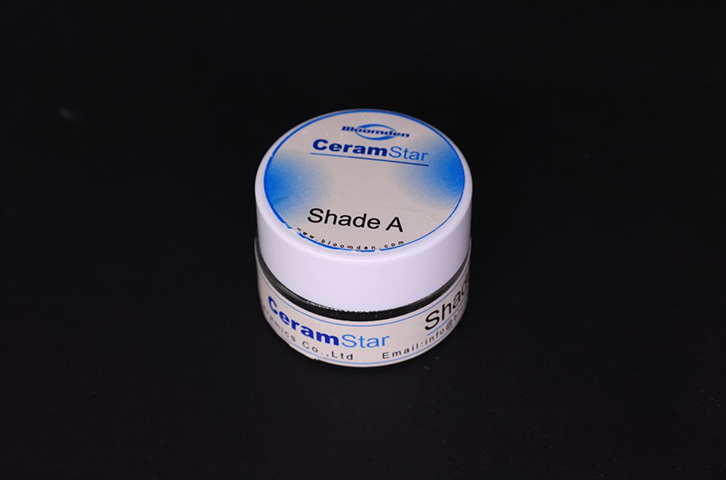
Table of Contents
Bloomden Bioceramics(Hunan) Co., Ltd. (hereinafter referred to as Bloomden) is located in Changsha, Hunan.