 en
en  CN
CN ES
ES PT
PT SV
SV DE
DE TR
TR FR
FR PL
PL RO
RO RU
RU IW
IW ID
ID LV
LV LT
LT SR
SR SK
SK SL
SL UK
UK VI
VI SQ
SQ ET
ET GL
GL HU
HU MT
MT
Whether you are looking for a dental materials or tools manufacturer and supplier, Bloomden is a wise choice for you.
Dental burs are a vital tool required for almost every dental treatment and procedure. They are necessary for cutting, grinding, and removing hard and soft tissue and are designed to attach to the rotary dental handpiece for fast and efficient dental work.
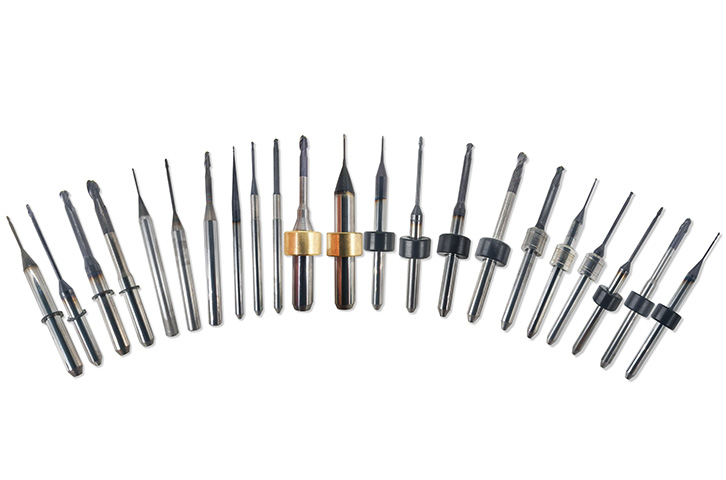
What is dental burs?
Dental burs are used by stomatologists for clinical grinding and drilling, and are tools used by dental technicians to modify dentures.
Composition
Dental burs consist of a working part and a shank.
Classification by Different Standards
1. The use: Dental burs are divided into clinical burs for stomatologists and dental burs for technicians.
2. The material: Dental burs are divided into steel burs, tungsten steel burs, emery burs, and ceramic burs.
3. The rotating speed: Divided into high-speed dental burs and low-speed dental burs.
4. The shape of the working part: Commonly used ball drills, split drills, inverted cone drills, ball head split drills, and wheel drills.
5. The tooth shape of the working part: flat blade, serrated blade (shaped pattern)
Classified by Function
1. Initially grinding burs: Generally, burs with coarser diamond grains (>150um) are used for large-scale cutting.
2. Fine grinding burs: burs less than 40um are used for fine-tuning grinding and polishing of the prepared tooth surface.
3. Short shank emery bur: used for tooth preparation in the molar area with small mouth opening, especially in the molar area or for patients with abnormally thick buccal fat pads.
4. Long shank emery bur: tooth preparation in the 1/3 area of the gingiva with a long clinical crown.
5. Shoulder bur: This type of bur is only designed with emery on the top of its end, which is used for trimming and preparing the cervical shoulder of the tooth.
6. Slender neck emery bur: to ensure better exposure of the operating field of view, The tooth preparation can accurately transition to the deep dentin to ensure minimal damage to the tooth.
Types of Bloomden Dental Burs
The two most common types of dental burs are tungsten carbide burs and diamond burs. Within those general categories, there are sub-types of burs that come in different shapes, blade configurations, and head angles to suit a variety of procedures.
Tungsten Carbide Burs
Carbide burs are made from tungsten carbide and three times more robust than steel. Due to the hardness of the metal, they are ideally suited to cutting work such as preparing cavities, cutting through metal fillings, and shaping bone during dental implant surgery. They are also often used for crown removal during endodontic procedures.
Unlike diamond burs, they don’t grind the enamel, leaving a smoother surface and reducing the amount of vibration on the handpiece.
Diamond Burs
Diamond burs are composed of a stainless-steel frame coated in diamond powder available in various grits. The level of the grit determines the type of procedure that the burs can be used for.
Diamond burs are typically used for precision shaping and polishing, but as diamond is one of the hardest known materials, they are often used to mill zirconia or grind porcelain during the preparation and placement of veneers and crowns.
Benefits of Bloomden Dental Burs
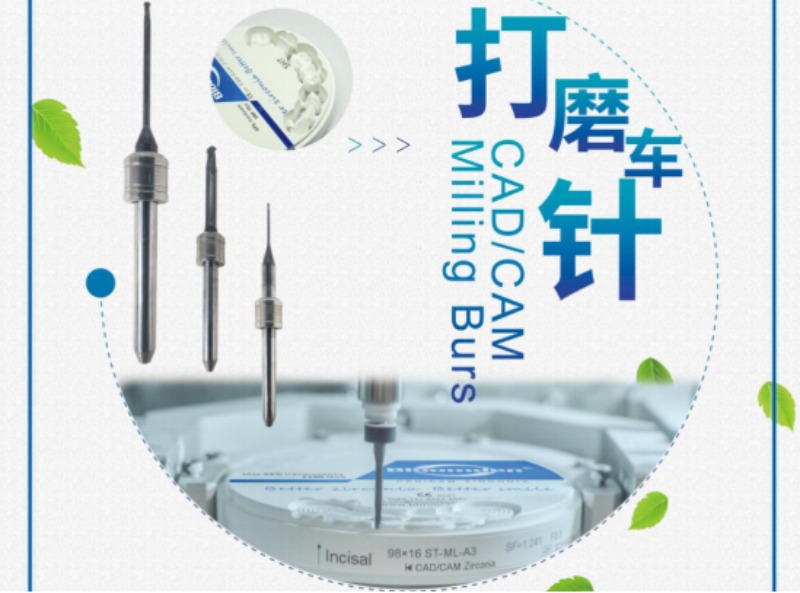
Bloomden dental bur usually offers various advantages.
1.High Adaptability
Bloomden dental milling burs are compatible with all types of dental cad/cam dentistry machines. These types of milling burs are compatible with many applications in dental laboratories for zirconia/metal/PMMA/wax/blank and glass-ceramic milling materials.
2. Maximum precision and minimum vibration
Range of milling is from 0.6mm to 2mm which is used for preliminary and high efficiency manufacture.0.6mm milling burs is mainly used to mill the sculpture of groove, the elaborate progress. The undercut problem can be fixed easily due to the special length of milling burs and flexible milling.
3. Superior cutting efficiency and long instrument life.
All burs layers are made of efficient and premium quality diamond coated that have a long shelf life with additional corrosion protection.
4. Rapid, smooth, and comfortable cutting.
The dental milling burs smoothly cut off the surface irregularities and enable a flawless dental prosthesis assembly.
Bloomden Bioceramics(Hunan) Co., Ltd. (hereinafter referred to as Bloomden) is located in Changsha, Hunan.