 en
en  CN
CN ES
ES PT
PT SV
SV DE
DE TR
TR FR
FR PL
PL RO
RO RU
RU IW
IW ID
ID LV
LV LT
LT SR
SR SK
SK SL
SL UK
UK VI
VI SQ
SQ ET
ET GL
GL HU
HU MT
MT
Tooth decay treatments vary depending on the degree of deterioration of the decayed tooth.
The degree of deterioration of tooth decay is generally classified as C0, C1, C2, C3, and C4. Let's take a look at each stage of deterioration.
【C0】 Enamel surface with slight demineralization
At this stage, the tooth surface appears white and cloudy.
It has not reached the state requiring treatment yet. If brushing is incorrect, decay-causing bacteria can penetrate into the enamel.
Only the surface of the enamel is dissolved by the acid released by the decay-causing bacteria.
Without treatment at this stage, the enamel can be remineralized through proper brushing, inhibiting further deterioration.
【C1】 Dissolution extends into the enamel
From this stage, the tooth surface turns brown or black, and cavities appear. Although not very painful, cavities need treatment.
Once cavities appear, they are treated with resin filling, commonly known as resin restoration. Resin filling involves only grinding the decayed part of the tooth and filling the cavity with resin.
There are many types of resin that can perfectly match the color of the tooth.
【C2】 Erosion extends into the dentin
Dentin is softer than enamel and more prone to dissolution. Therefore, decay progresses rapidly from this stage.
Although it may appear as just a small black spot from the outside, the inside is often significantly eroded.
Treatment methods vary for C2 stage decay depending on the location. Options include resin filling and inlay restoration.
【C3】 Decay reaches the nerve (pulp)
At this stage, decay is quite severe, and the decayed portion is large enough to be visible from the outside. When decay reaches the nerve, it causes inflammation and severe pain.
When decay reaches the nerve, root canal treatment is often the only option. After killing the nerve, an artificial crown is placed.
【C4】 The tooth is completely damaged, leaving only the root
Bacteria nests form at the root apex, dissolving the supporting bone.
Delaying treatment leads to complete dissolution of the tooth, sometimes requiring extraction.
After extraction, options such as dental implants, removable dentures, or fixed dentures can be considered, depending on the bite and surrounding teeth condition. Bridges require healthy teeth on both sides of the extraction site.
About Bloomden
Bloomden Bioceramics(Hunan) Co., Ltd. (hereinafter referred to as Bloomden) is located in Changsha, Hunan. Founded in 2012, Bloomden is a technological company specializing in research and development, manufacturing, sales and service for dental CAD/CAM zirconia blocks, zirconia 3D printing,zirconia implants, dental restoration materials, digital dental technology & equipment.
Bloomden has established marketing all over the world. We built offices in the United States and have serviced customers in nearly 100 countries and regions such as the United States, the Middle East, Europe, Africa, South America, and Southeast Asia. Bloomden’s brand strategy is centered on the marketing philosophy of from Customers to the Human Spirit. Our value is "Better Trust, Better Smile". The company complies with the principles of trust, efficiency, and success, and strives to cooperate with domestic and international dental customers for a win-win business. Bloomden is committed to jointly promoting the development of the dental industry, and making China brand and biomaterial technology world-renowned.
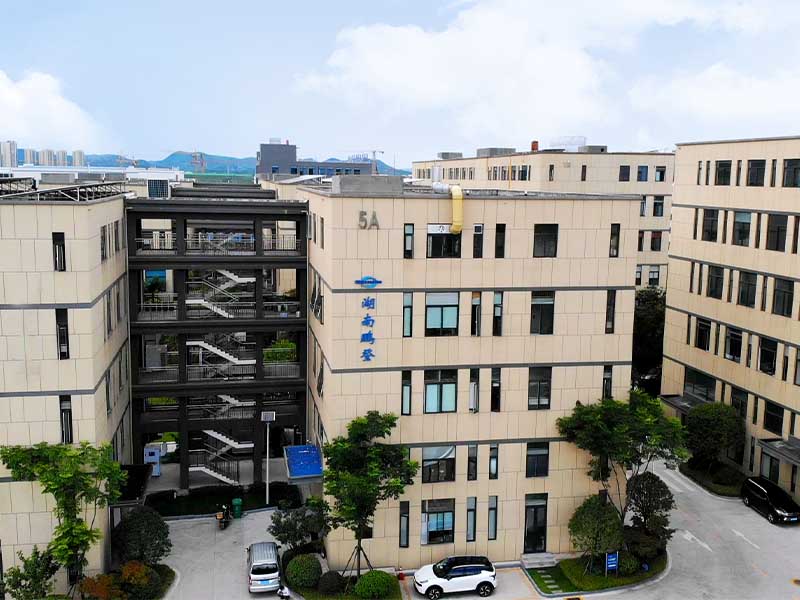
Bloomden Bioceramics(Hunan) Co., Ltd. (hereinafter referred to as Bloomden) is located in Changsha, Hunan.