 en
en  CN
CN ES
ES PT
PT SV
SV DE
DE TR
TR FR
FR PL
PL RO
RO RU
RU IW
IW ID
ID LV
LV LT
LT SR
SR SK
SK SL
SL UK
UK VI
VI SQ
SQ ET
ET GL
GL HU
HU MT
MT
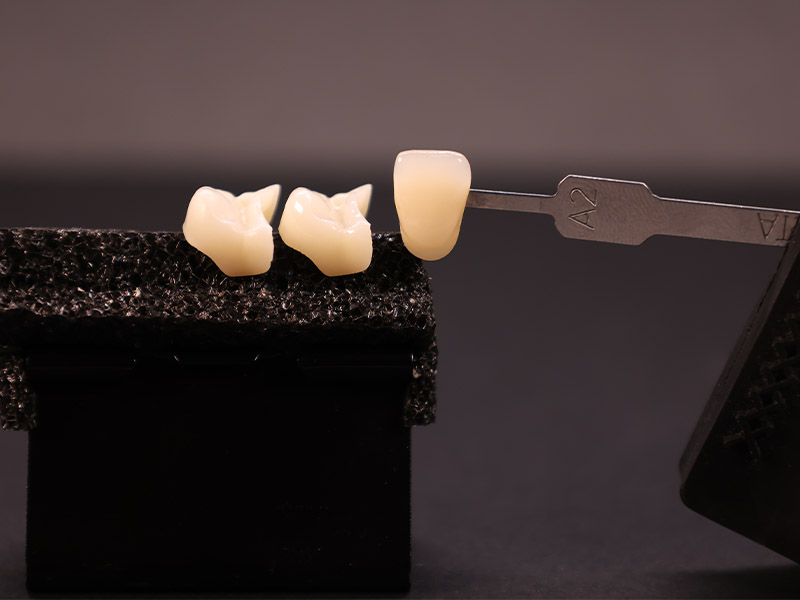
What are Inlays?
An inlay is a type of dental restoration that is placed within the cavity of a tooth to restore its shape and function. "Inlays" are custom-made restorations for teeth, bonded onto teeth with adhesive. Due to their excellent fit in terms of shape, hardness, and other aspects, inlays not only address the challenge of enlarging missing parts of teeth but also alleviate the pain of frequent tooth fillings for patients.
Advantages of Inlays
·Precision and Accuracy: Intraoral scanners provide highly accurate digital impressions, reducing the chances of errors associated with traditional impressions.
·Minimal Tooth Preparation: Inlays require less tooth preparation, preserving the integrity of the tooth's outer structure and reducing pulp irritation.
·Easy Removal of Tooth Decay: During the tooth preparation process, it's easy to remove decayed parts of the tooth, promoting long-term dental health.
·Location at the Gingival Margin: Inlays are located in the supragingival area, making them highly polishable, less prone to plaque accumulation, easy to clean, and beneficial for periodontal tissue health.
·Protection of Thin Wall Weak Tips and Hidden Cracks: Inlays protect thin wall weak tips and hidden cracks, preventing tooth fractures.
·Restoration of Contact Points Affected by Adjacent Tooth Decay: Inlays can accurately restore the contact points, size, and tightness affected by adjacent tooth decay.
·Aesthetic Function of Ceramic and Composite Inlays: Ceramic and composite inlays provide better aesthetic results.
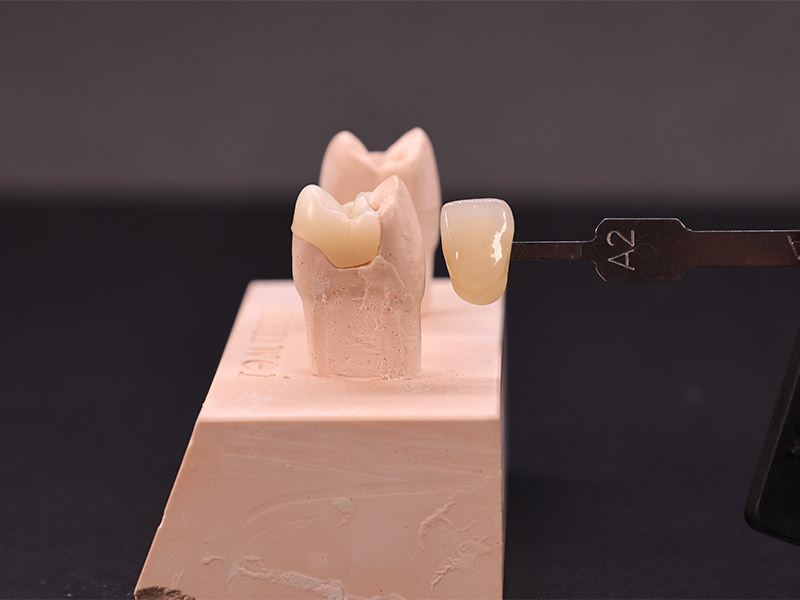
Difference Between Inlays and Traditional Fillings
·Image Capture: The handheld wand is moved around the patient's mouth, and the built-in camera rapidly captures multiple images of the teeth and surrounding tissues.
Conventional filling treatments often use materials like silver amalgam or light-cured composite resin, which can be independently performed by dentists without the involvement of dental technicians. This approach is cost-effective and time-efficient. In contrast, inlays are fabricated by dental technicians based on impressions taken outside the mouth. They are then placed by clinicians into the patient's mouth and bonded in place, resulting in a higher cost.
These inlays have no impact or discomfort during use when finally placed in the patient's mouth, and they are durable. The choice of materials also influences the effectiveness of inlay restorations.
Types of Inlays
1.Conventional Alloy Inlays: Affordable but have poor ductility.
2.All-Ceramic Inlays: High color fidelity, but require high precision in fabrication. Improper use may lead to fracture. They have lower thermal conductivity compared to metal inlays and are less likely to irritate pulp tissue in deep cavities.
3.Gold Inlays: Best ductility, high long-term fit, minimal risk of secondary decay (re-cavitation), good biocompatibility, and no long-term adverse effects on the human body.
Indications for Inlay Restoration
1.Restoration of Tooth Decay at Any Part of the Tooth.
2.Large Tooth Defects where conventional filling materials cannot provide good retention.
3.Tooth Decay in the Molars with Excessive Occlusal Force.
4.Defects in Molar Cusps and Marginal Ridges.
5.Restoration of Molar Contact Points.
6.Restoration of Crown Height and Shape with High Inlays.
7.Protective Restoration of Supportive Sites for Removable Partial Dentures.
8.Tooth Defects Extending Below the Gingiva, where conventional filling materials cannot achieve good marginal adaptation.
Inlays can be understood as "custom-made restorations for teeth" that fit well in terms of shape, hardness, and other aspects, effectively restoring the original shape and chewing efficiency of teeth, which cannot be achieved by traditional fillings.
Benefits of Bloomden Zirconia for Inlay
The Bloomden Zirconia for inlays offers several advantages:
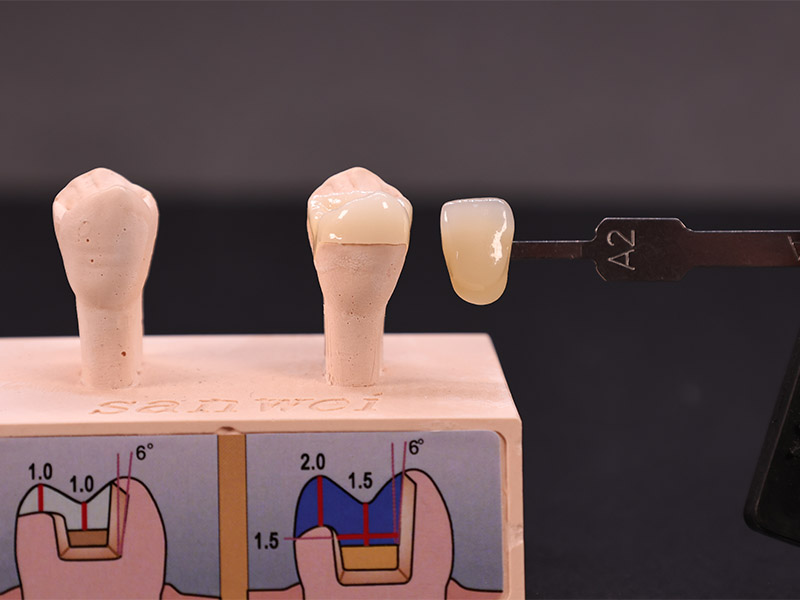
·Reduced Tooth Preparation: Bloomden Zirconia requires minimal tooth preparation, preserving more of the natural tooth structure compared to traditional restoration methods.
·Long-Term Dental Health: By easily removing decayed portions of the tooth during preparation, Bloomden Zirconia helps maintain the long-term health of the tooth.
·Gingival Margin Placement: The gingival margin placement of Bloomden Zirconia is designed to be in the supragingival zone, allowing for optimal polishing, reduced plaque accumulation, and improved periodontal health.
·Protection Against Fractures: Bloomden Zirconia inlays provide protection against tooth fractures by reinforcing weak cusps and fissures.
·Precise Restoration of Proximal Contacts: In cases of adjacent tooth decay, Bloomden Zirconia ensures accurate restoration of proximal contacts, size, and contour.
·Aesthetic Appeal: Both resin-based and ceramic-based Bloomden Zirconia options offer superior aesthetics, blending seamlessly with the natural tooth color and appearance.
·These benefits make Bloomden Zirconia a preferred choice for inlay restorations, offering superior functionality, durability, and aesthetics compared to traditional filling materials.
Bloomden Bioceramics(Hunan) Co., Ltd. (hereinafter referred to as Bloomden) is located in Changsha, Hunan.