 en
en  CN
CN ES
ES PT
PT SV
SV DE
DE TR
TR FR
FR PL
PL RO
RO RU
RU IW
IW ID
ID LV
LV LT
LT SR
SR SK
SK SL
SL UK
UK VI
VI SQ
SQ ET
ET GL
GL HU
HU MT
MT
Introduction
Brief overview of the importance of zirconia in dentistry
Zirconia plays a pivotal role in dentistry due to its aesthetic appeal, durability, and biocompatibility. It is a preferred material for dental crowns, bridges, and implants, providing patients with natural-looking, long-lasting restorations. Zirconia's minimal tooth reduction during preparation preserves dental health, and its resistance to wear and staining ensures extended functionality and aesthetics. Its versatility and compatibility with digital dentistry techniques have revolutionized dental practices, leading to high patient satisfaction and improved clinical outcomes. In summary, zirconia has become indispensable in modern dentistry, offering a balance between aesthetics, strength, and patient well-being.
Introduction to Bloomden Multilayer zirconia
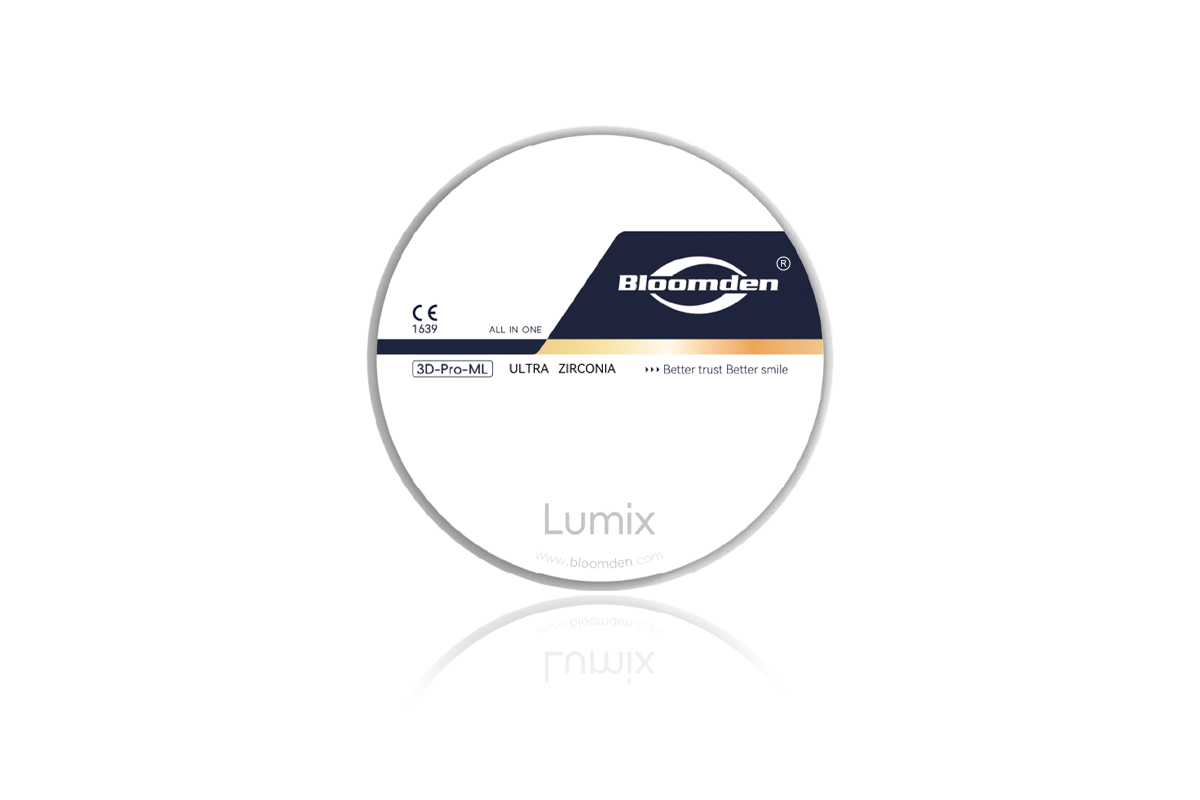
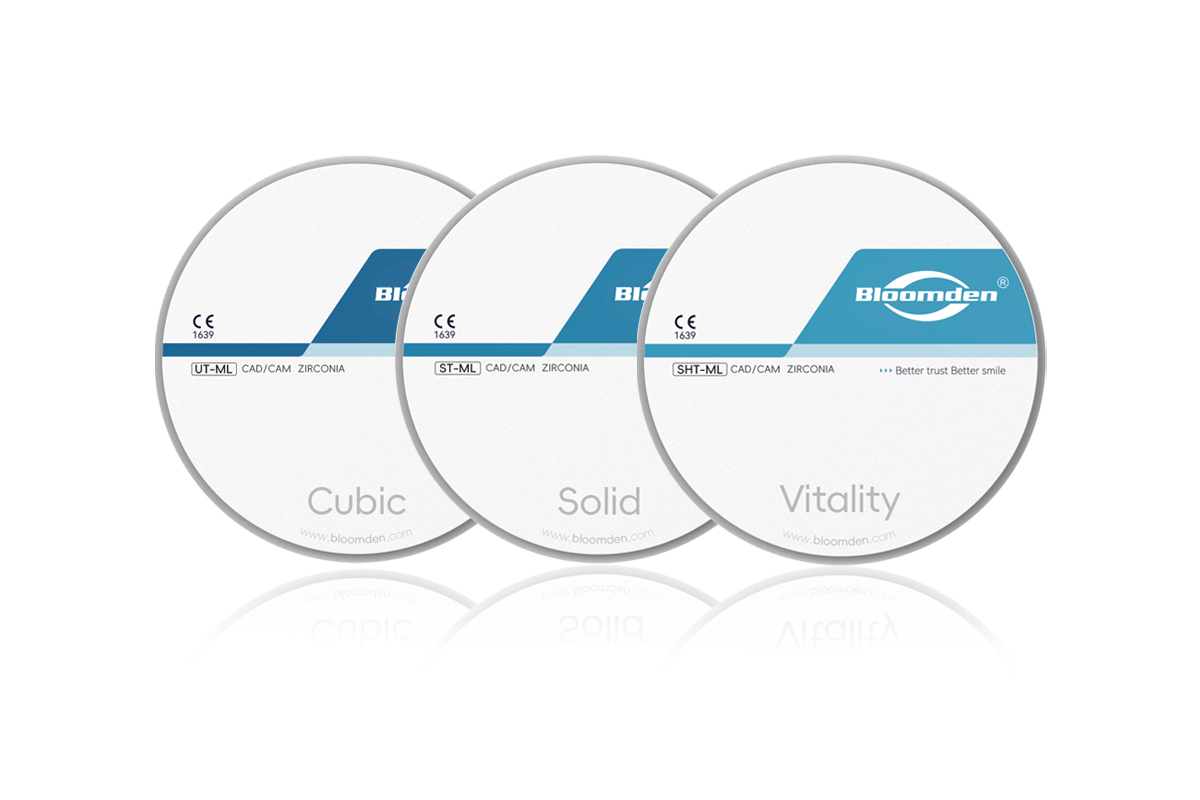
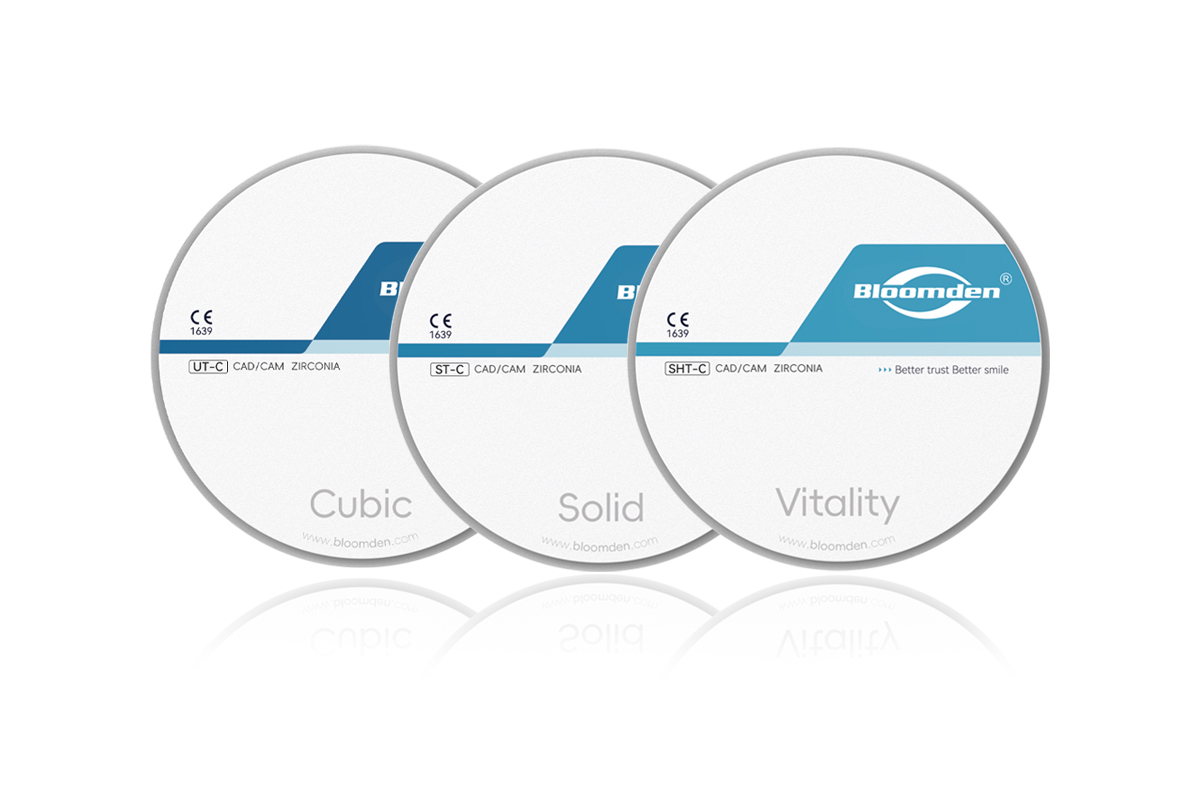
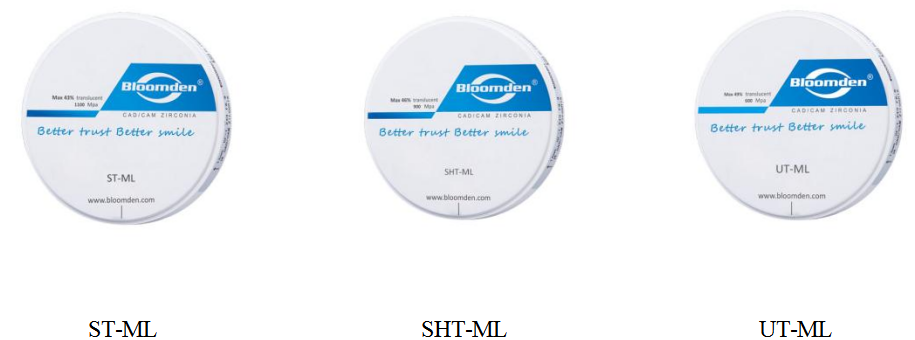
With a decade of expertise in dental zirconia block manufacturing, Bloomden developed four series of zirconia blocks, one of them is Multilayer zirconia, a groundbreaking advancement in dental materials. This innovative product leverages their extensive experience to deliver superior quality. Featuring a unique multilayer design, it combines strength and natural translucency, ensuring restorations blend seamlessly with surrounding teeth.Bloomden Multilayer zirconia offers exceptional durability and aesthetics, revolutionizing dental treatments.
Understanding Zirconia in Dentistry
Zirconia, also known as zirconium dioxide (ZrO2), is a ceramic material that has gained significant importance in dentistry due to its unique properties. Here's an overview of its composition, structure, and mechanical properties:
1.Composition and structure
• Chemical Composition: Zirconia is primarily composed of zirconium (Zr) and oxygen (O) atoms, arranged in a crystalline lattice structure. It may also contain small amounts of stabilizing elements such as yttrium oxide (Y2O3) or other rare earth oxides.
• Crystal Structure: Zirconia exists in several crystal forms, with the most common being tetragonal, cubic, and monoclinic phases. The crystal structure can change under certain conditions, which is important for its properties.
2.Mechanical properties
• High Strength: Zirconia is renowned for its exceptional strength and toughness. It has a high flexural strength, making it suitable for load-bearing applications in dentistry like dental crowns, bridges, and implant abutments.
• Fracture Resistance: Zirconia is highly resistant to fracture and chipping, ensuring the longevity of dental restorations even under the forces of chewing and biting.
• Hardness: Zirconia is harder than natural tooth enamel, which helps prevent wear and abrasion over time.
• Low Thermal Conductivity: Zirconia has low thermal conductivity, reducing sensitivity to temperature changes and discomfort in the mouth.
• Biocompatibility: Zirconia is biocompatible and well-tolerated by the human body, minimizing the risk of allergic reactions or adverse tissue responses.
• Translucency: Zirconia can be engineered to have varying degrees of translucency, allowing it to mimic the natural appearance of teeth, an essential quality for dental aesthetics.
• Color Stability: Zirconia is resistant to staining and discoloration, maintaining its appearance over time.
Advantages of Bloomden zirconia in dentistry
1. Aesthetic benefits
• Natural Appearance: Zirconia's translucency and ability to mimic the appearance of natural teeth make it an excellent choice for dental restorations. It blends seamlessly with the patient's smile, providing a highly aesthetic result.
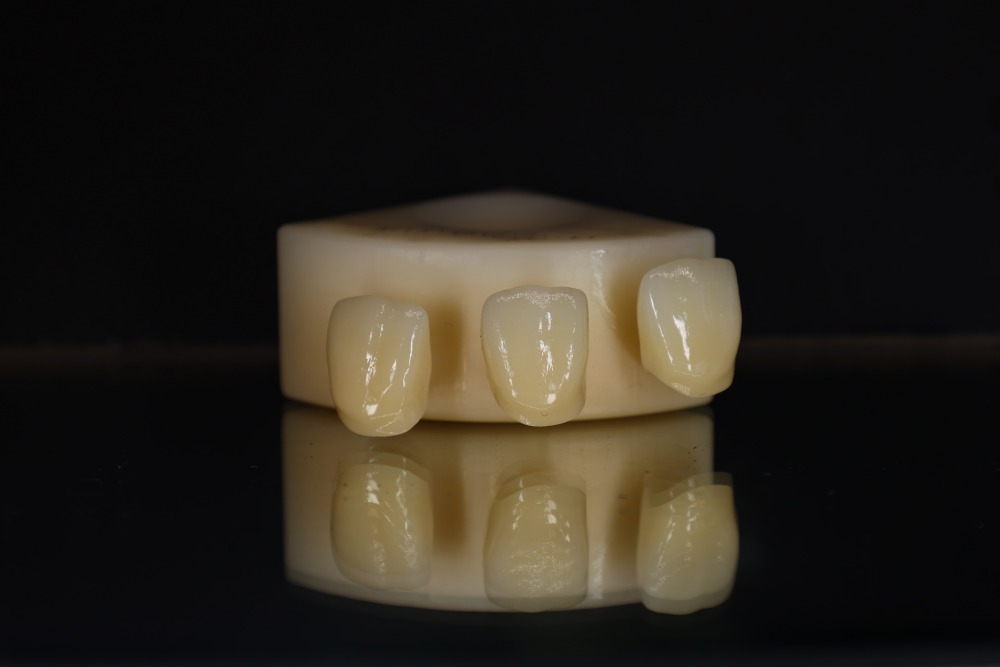
• Color Customization: Zirconia can be customized to match the color, shade, and translucency of surrounding teeth, ensuring a natural and harmonious look.
2. Biocompatibility
• Tissue-Friendly: Zirconia is biocompatible, meaning it is well-tolerated by the human body and oral tissues. It minimizes the risk of allergic reactions, tissue irritation, or adverse responses, making it suitable for a wide range of patients, including those with sensitivities.
3. Durability
• High Strength: Zirconia is exceptionally strong and resistant to wear, making it highly durable. Dental restorations made from zirconia can withstand the forces of chewing and biting, ensuring their long-term functionality.
• Fracture Resistance: Zirconia's resistance to fracture and chipping enhances the longevity of dental crowns, bridges, and other restorations, reducing the need for frequent replacements.
4. Allergenicity
• Hypoallergenic: Zirconia is hypoallergenic, which means it is unlikely to cause allergic reactions in patients. This is especially important for individuals with known allergies or sensitivities to other dental materials like metals.
Comparing Bloomden Multilayer Zirconia with Other Dental Materials
1.Zirconia vs. traditional ceramics
• Strength: Zirconia is significantly stronger than traditional ceramics like porcelain. This strength makes zirconia more resistant to fractures and chipping.
• Aesthetics: While zirconia offers good aesthetics, traditional ceramics may have a slight advantage in translucency and natural appearance, especially for anterior teeth.
• Versatility: Zirconia can be used for a broader range of applications, including posterior crowns and bridges, due to its strength.
2. Zirconia vs. metal alloys
• Aesthetics: Zirconia is more aesthetically pleasing than metal alloys because it is tooth-colored and does not produce dark lines at the gumline.
• Biocompatibility: Zirconia is hypoallergenic and biocompatible, whereas some patients may have allergies to metal alloys.
• Strength: Zirconia is comparable to metal alloys in terms of strength and durability.
3. Zirconia vs. lithium disilicate
• Strength: Zirconia is generally stronger and more fracture-resistant than lithium disilicate, making it preferable for posterior restorations.
• Aesthetics: Lithium disilicate is known for its excellent aesthetics, particularly for anterior teeth, but zirconia has made significant advancements in mimicking natural tooth appearance.
• Thickness: Zirconia restorations may require less reduction of natural tooth structure compared to lithium disilicate.
Guidelines for Dentists and Dental Technicians
1.Preparation and design considerations
• Proper Tooth Preparation: Ensure adequate tooth reduction and preparation for the specific type of restoration (e.g., crown, bridge, inlay, onlay). Follow guidelines for minimum thickness and taper to avoid compromising the strength of the restoration.
• Margin Design: Pay close attention to margin design to achieve a precise fit and minimize the risk of microleakage. Ensure margins are placed supragingivally whenever possible for easier maintenance.
• Occlusal Clearance: Maintain sufficient occlusal clearance to prevent interference with opposing teeth and enable proper function.
• Shade Selection: Accurately determine the shade and translucency required for the restoration to achieve optimal aesthetics.
• Impression Technique: Use appropriate impression materials and techniques to capture fine details and achieve accurate impressions for the fabrication of Bloomden Multilayer Zirconia restorations.
2.Cementation and bonding techniques
• Cleaning and Conditioning: Ensure the restoration and tooth structure are properly cleaned and conditioned according to the manufacturer's instructions.
• Selecting the Right Cement: Choose a compatible cement for Bloomden Multilayer Zirconia restorations, considering factors like adhesion, strength, and ease of use.
• Proper Cementation Procedure: Follow precise cementation protocols, including mixing, placement, and removal of excess cement. Pay attention to recommended curing times and methods.
• Adhesive Techniques: When bonding is necessary, follow established adhesive techniques, such as etching, priming, and bonding, to achieve a durable bond with the zirconia.
3.Maintenance and aftercare recommendations
• Oral Hygiene Education: Provide patients with instructions on proper oral hygiene practices, including regular brushing, flossing, and dental check-ups.
• Avoiding Excessive Force: Advise patients to avoid using their teeth for activities like opening packages or chewing hard objects, which could lead to fractures.
• Regular Check-ups: Schedule periodic follow-up appointments to assess the condition of the restoration and overall oral health. Promptly address any issues or concerns.
• Cleaning and Polishing: Educate patients on the importance of professional cleaning and polishing of the restoration to maintain its appearance and longevity.
4.Troubleshooting common issues
• Fractures: Develop protocols for addressing chipping or fractures in Bloomden Multilayer Zirconia restorations, including options for repair or replacement.
• Marginal Adaptation: Address issues related to poor marginal adaptation, which can lead to microleakage and secondary caries.
• Discoloration: Troubleshoot cases of discoloration or staining on the zirconia restoration and provide guidance on cleaning and stain prevention.
If you want any information, contact us.
Table of Contents
Bloomden Bioceramics(Hunan) Co., Ltd. (hereinafter referred to as Bloomden) is located in Changsha, Hunan.