 en
en  CN
CN ES
ES PT
PT SV
SV DE
DE TR
TR FR
FR PL
PL RO
RO RU
RU IW
IW ID
ID LV
LV LT
LT SR
SR SK
SK SL
SL UK
UK VI
VI SQ
SQ ET
ET GL
GL HU
HU MT
MT
A CNC machine's power supply is an essential component. It provides power to the stepper motors, drivers, and spindle speed circuit. Our 24 volt and 36 volt power supplies will provide the necessary voltages for your machine's drivers and motors. These power sources can also power your accessories, such as the front panel rocker switch. They are an excellent choice for any machine that requires four or more motors and has a high enough output to handle high-speed rapids and heavy cutting loads. They are also very dependable and do not overheat even after long periods of operation.
Cost
In the dental laboratory, cad cam milling machines are an essential tool. These machines can make crowns, bridges, and veneers. They also enable dentists to create other restorations such as dentures and splints.
When choosing a dental milling machine, one should consider their needs and goals. They should select a machine that will meet their current and future needs, as well as the best milling software.
If they intend to use their milling machine for a variety of materials, they should choose one that can be used both wet and dry. This is significant because some dental materials must be milled wet while others can be milled dry.
Zirconia, for example, is a popular material for dental restorations. It is a highly durable, strong, and aesthetically pleasing material. CAM milling machines are designed to work with zirconia, and the majority of laboratories use them to make zirconia crowns, bridges, and veneers.
A dental milling machine is a high-precision, highly accurate device that allows your dentist to create dental restorations without the use of an impression or a mold. They create a virtual model of your teeth using computer-aided design (CAD) software and send it to a milling machine, which then creates the restoration.
Aside from accuracy, milling machine help your dentist save time and increase productivity. They can make crowns, bridges, and veneers in a matter of hours.
They can also assist your dentist in avoiding mistakes and reducing the number of times they must remake a restoration due to an error. This is especially useful if you use CEREC technology, which generates virtual restorations and then builds them on the spot.
Dental milling machines are an excellent investment for your dental laboratory, providing your patients with the highest quality restorations. However, you must choose the best one for your practice and consider the cost of operating and maintaining it.
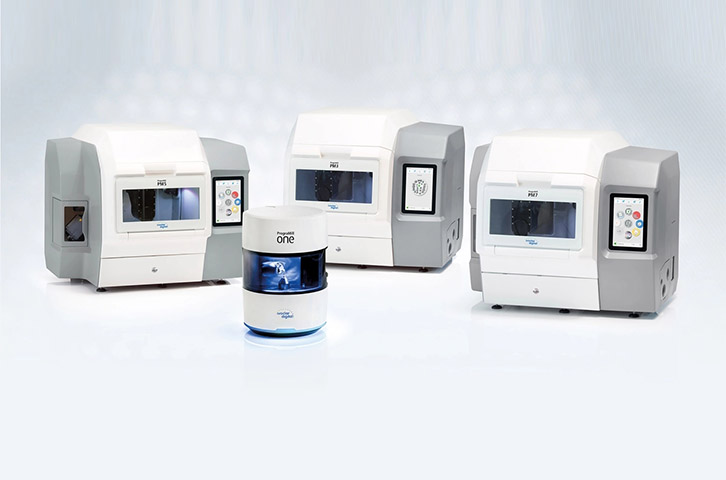
Accuracy
The accuracy of your dental zirconia milling machine is critical whether you're making crowns, bridges, dentures, or inlays and onlays. Its precision ensures that the restoration fits correctly and is free of any gaps that could lead to future issues like decay or infection.
Accuracy is critical because it allows you to save time and money while still providing high-quality treatments. It also allows you to see any potential decay that may be occurring beneath a CAD/CAM restoration without having to remove it and take x-rays, making it easier to monitor the health of your teeth over time.
The best dental milling machines have high-quality, precision-built components that can produce a wide range of shapes and sizes accurately. This enables you to create crowns and other types of appliances quickly and easily without the need for specialized equipment.
To accomplish this, the machine must be able to accurately read your CAD design file and produce the shape of the restoration. The resulting shape is then fed into the machine, which performs the necessary milling operation.
This process is extremely precise, yielding crowns that are 0.003 mm or less off the original CAD design. This is significant because it indicates that you are creating a restoration that is perfectly matched to the natural structure of the tooth.
However, in some cases, the accuracy of a dental milling machine isn't as good as you'd like. When working with small teeth, such as lateral incisors or lower molars, the accuracy of a milling machine is likely to be very low.
However, there are a few things you can do to ensure the accuracy of your dental milling machine. The initial step is to select a high-quality CAD system and software. Then, select a dental milling machine that is specifically designed for today's most advanced CAD and CAM applications.
The MC XL from Dentsply Sirona, for example, is a machine designed to work with their inLab CAD software. The software is designed to walk you through the process of designing your crowns so that they are completely accurate. You can then send this information to the machine, which will be able to produce your crowns exactly as you desired.
Flexibility
There are numerous types of dental milling machines for use in laboratories, each with varying degrees of flexibility. When deciding which one is best for your dental practice, consider the tasks you want to automate as well as the materials you work with.
For example, the PrograMill DRY offers powerful wet and dry processing of a wide range of materials, including zirconium oxide, PMMA, IPS e.max, and temporary materials such as Ivoclar Vivadent. It also has RFID technology, which allows it to identify the material and apply the appropriate milling strategy and tools.
The PrograMill DRY is a compact 5-axis dry milling machine that is highly versatile and can be found in any dental laboratory. Its useful features, such as an integrated quick clamping system that allows you to change the material discs without using tools, help to streamline day-to-day lab operations.
It also has an easy-to-use interface that makes using it as simple as possible. Users can quickly and easily access all necessary settings, such as milling speeds and materials, thanks to the system's intuitive design.
Another factor to consider when selecting a dental milling machine is the time required to process restorations. For example, if your mill takes 16 minutes to finish each crown, that's a lot of time away from the chair that could hurt your productivity.
As a result, it's critical to choose a system that can produce a high volume of crowns, bridges, and veneers while remaining efficient. As a result, Dr. Tran advises dentists with a high volume of existing crown and bridge work to consider an in-house milling machine before implementing same-day dentistry.
Invest in a digital dental milling system that works with your preferred material and has a software app that seamlessly connects to your machine to maximize your production potential. 3Shape, for example, has a strong TRIOS scanner portfolio as well as a variety of software apps that offer a variety of production and material options. Furthermore, because the system is open, you can scale your solution to meet your financial and business requirements. Another product type available on the market is the zirconia dental crown.
Maintenance
Dental milling machines are used to create crowns, bridges, inlays, onlays, veneers, copings, dentures, frameworks, surgical guides, implant abutments, and other dental components out of materials like ceramics, zirconia, titanium, PEEK, and wax.
Dental milling machines are more efficient than hand milling because they use CAM (Computer Aided Manufacturing) technology. They do, however, necessitate regular maintenance to ensure that they function properly and do not break down prematurely.
When selecting a dental milling machine, it is critical to consider the maintenance costs. This can help you determine whether the machine is a good fit for your practice or whether a different model would be better.
Many dental CAD/CAM systems cost more than 60,000 dollars and require costly, on-going maintenance to function properly. This high price tag may be prohibitively expensive for small-scale dentists looking to invest in these systems and make a profit.
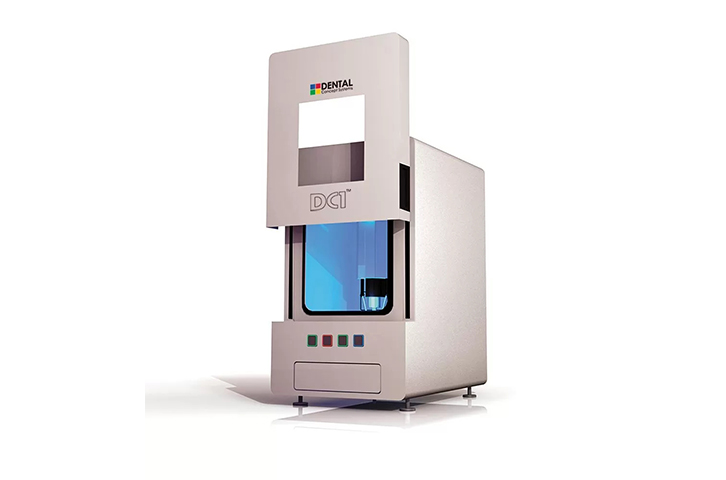
The spindle is another common maintenance issue with CAD/CAM milling systems. This is an important machine component that powers the cutting tools and also serves as the tool changer mechanism.
The spindle's design can have a significant impact on the cost and complexity of repairing it. Some designs incorporate a single tool changer built into the spindle, while others incorporate multiple externally mounted spindles.
For most machines, a simple rebuild can cost upwards of $2,000, whereas the latter may necessitate a complete replacement. Finally, the best option is one that can be rebuilt at a low cost and is simple to maintain.
The Roland DWX-50, for example, is a custom-built milling machine that streamlines production and automates the milling process for dentists and technicians. Its small footprint and work area are designed specifically for dental applications, and a front-mounted vacuum hose makes cleanup a breeze.
Lubrication is typically required for the ball screw assembly of a dental milling machine to prevent premature wear and damage to the components. Fortunately, various lubrication systems are available to keep the drive system in good working order. Oils are the most commonly used, though some machines use manually lubricated systems.
Table of Contents
Bloomden Bioceramics(Hunan) Co., Ltd. (hereinafter referred to as Bloomden) is located in Changsha, Hunan.